

Hey there! As a supplier of Mini Coach Bus Interior, I often get asked about the padding of the seats in a mini coach bus. So, I thought I'd write a blog post to share some insights on what the padding of these seats is like.
The Basics of Seat Padding
Let's start with the basics. The padding in mini coach bus seats serves several important purposes. First and foremost, it provides comfort for passengers during their journey. Whether it's a short trip around the city or a longer inter - city ride, good padding can make a huge difference.
The padding also helps to absorb shocks and vibrations. Mini coach buses are on the move, and they encounter bumps on the road. A well - padded seat can reduce the impact of these bumps, making the ride smoother and more enjoyable.
Types of Padding Materials
Foam Padding
Foam is one of the most common materials used for seat padding in mini coach buses. There are different types of foam, each with its own characteristics.
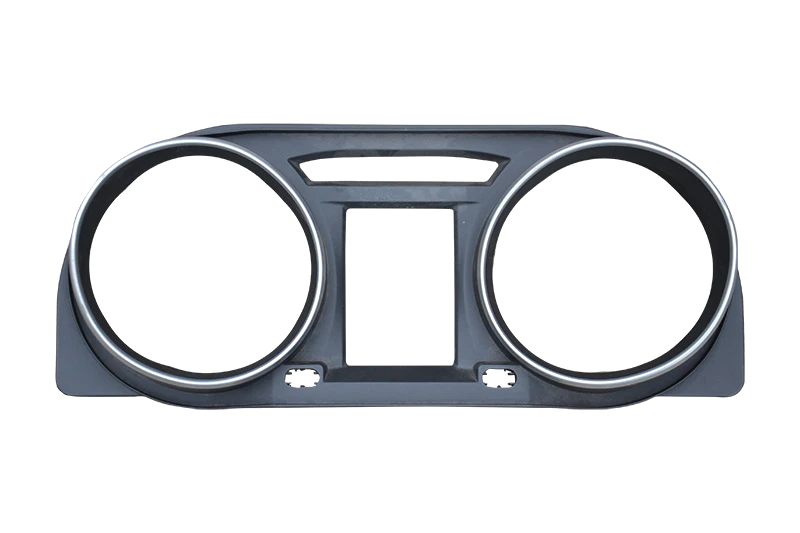

Polyurethane foam is quite popular. It's relatively inexpensive and can be molded into different shapes to fit the seat design. It provides a decent level of comfort and support. However, over time, it may start to lose its shape and resilience, especially if the bus is used frequently.
High - density foam, on the other hand, is a step up in terms of quality. It's more durable and can maintain its shape for a longer period. High - density foam offers better support, which is great for passengers who are sitting for extended periods. It can handle the wear and tear of daily use in a mini coach bus.
Memory Foam
Memory foam has gained a lot of popularity in recent years, and it's also finding its way into mini coach bus seats. Memory foam conforms to the shape of the passenger's body, providing personalized support. When a passenger sits on a memory - foam - padded seat, the foam molds to their body contours, reducing pressure points.
This type of padding is especially beneficial for long - distance trips. It can help prevent fatigue and discomfort that can come from sitting in one position for too long. However, memory foam can be more expensive than regular foam, which might be a consideration for some bus operators.
Cotton and Wool Padding
In some cases, cotton or wool padding may be used, either on its own or in combination with other materials. Cotton padding is soft and breathable, which can make the seats feel more comfortable, especially in warmer climates. Wool, on the other hand, has natural insulating properties and can provide a bit of extra warmth in colder weather.
However, cotton and wool padding may not be as durable as foam or memory foam. They can be more prone to staining and may require more frequent cleaning and maintenance.
Thickness and Density of Padding
The thickness and density of the padding also play a crucial role in the comfort of the seats. A thicker padding generally provides more cushioning, but it also depends on the density. A thick but low - density padding may compress easily and not offer much support.
For mini coach bus seats, a good balance between thickness and density is essential. A seat with a medium - thick, high - density padding is often a good choice. It can provide enough comfort without sacrificing support.
The Impact of Padding on Seat Design
The padding of the seats can also influence the overall design of the mini coach bus interior. Seats with thicker padding may take up more space, which could affect the seating capacity of the bus. On the other hand, well - designed padding can enhance the aesthetic appeal of the seats.
For example, if the padding is contoured to fit the body shape, it can give the seats a more modern and ergonomic look. This can make the bus interior look more stylish and inviting for passengers.
Additional Features Related to Padding
Some mini coach bus seats may come with additional features related to the padding. For instance, some seats have adjustable padding. Passengers can adjust the firmness or position of the padding to suit their preferences. This can be a great feature, especially for buses that cater to a diverse range of passengers.
Another feature is the use of padding covers. These covers can protect the padding from wear and tear, stains, and dirt. They can also be easily removed and replaced, which makes cleaning and maintenance a lot easier. Some covers are made of high - quality materials that are both durable and comfortable to the touch.
Where to Find Accessories for Mini Coach Bus Interior
If you're interested in other aspects of the mini coach bus interior, we've got you covered. You can check out Accessories Of Car Interior for a wide range of interior accessories. And if you're looking for a Bus Dashboard or Automobile TPE Foot Mats, we have links to some great options.
Conclusion
In conclusion, the padding of the seats in a mini coach bus is an important aspect of the overall interior design. It affects the comfort, support, and durability of the seats. Whether you choose foam, memory foam, cotton, or wool padding, each has its own pros and cons.
As a supplier of Mini Coach Bus Interior, we understand the importance of providing high - quality padding for the seats. We offer a variety of options to meet the different needs and budgets of our customers.
If you're in the market for mini coach bus interior products, including seats with the right padding, don't hesitate to get in touch with us. We'd be more than happy to discuss your requirements and help you find the perfect solutions for your mini coach bus. Let's work together to create a comfortable and stylish interior for your passengers!
References
- Automotive Interior Design Handbook
- Textbooks on Materials for Vehicle Seating
- Industry reports on Mini Coach Bus Interior Trends