

As a supplier of Car Part Exterior, I've had the privilege of working closely with various rubber car exterior parts. While rubber is a versatile and commonly used material in the automotive industry, it's essential to understand its drawbacks. In this blog post, I'll delve into the limitations of rubber car exterior parts, providing insights that can help both industry professionals and car owners make informed decisions.
1. Vulnerability to Environmental Factors
One of the most significant drawbacks of rubber car exterior parts is their susceptibility to environmental elements. Rubber is an organic polymer, and over time, exposure to sunlight, heat, and oxygen can cause it to degrade. This process, known as oxidation, leads to the hardening and cracking of the rubber.
Sunlight, specifically ultraviolet (UV) rays, is a major culprit. UV radiation breaks down the chemical bonds in the rubber, causing it to lose its elasticity. This is particularly evident in regions with high sunlight exposure. For example, in desert areas where the sun is intense, rubber seals around doors and windows can start to crack within a few years. The hardening of the rubber not only affects its appearance but also its functionality. Seals that have lost their flexibility may no longer provide a proper barrier against water, dust, and noise, leading to potential water leaks and increased interior noise levels.
Extreme temperatures also take a toll on rubber. In cold weather, rubber becomes brittle and more prone to cracking. When the temperature drops below freezing, the rubber loses its ability to stretch and flex, making it vulnerable to damage from minor impacts. On the other hand, in hot weather, rubber can soften and become sticky. This softening can cause the rubber to adhere to other surfaces, leading to peeling or tearing when separated. For instance, rubber weatherstripping on a car's trunk may stick to the trunk lid during a hot summer day, and when the trunk is opened, the weatherstripping may tear.
2. Chemical Sensitivity
Rubber is sensitive to a wide range of chemicals, which can cause it to deteriorate rapidly. Automotive fluids such as gasoline, oil, and brake fluid can have a detrimental effect on rubber parts. When rubber comes into contact with these fluids, it can swell, become soft, and lose its structural integrity.
For example, if a small amount of gasoline spills on a rubber gasket under the hood, the gasket may start to swell within a short period. This swelling can lead to a loss of the gasket's sealing ability, causing leaks. Similarly, brake fluid, which is designed to have a high boiling point and excellent lubricating properties, can break down the rubber components in the braking system. Over time, this can lead to brake failure, which is a serious safety concern.
In addition to automotive fluids, rubber is also sensitive to cleaning chemicals. Harsh detergents and solvents used in car washes can damage the rubber's surface. Some cleaning products contain abrasive ingredients that can scratch the rubber, making it more susceptible to environmental damage. Even seemingly harmless substances like bird droppings and tree sap can have a corrosive effect on rubber. If left on the rubber surface for an extended period, these substances can etch the rubber, causing discoloration and weakening its structure.
3. Wear and Tear
Rubber car exterior parts are subject to constant wear and tear due to their exposure to the elements and physical contact. Parts such as tires, wiper blades, and door seals are in constant use and are therefore more likely to experience wear.
Tires are perhaps the most obvious example of rubber parts that undergo significant wear. As tires roll on the road, they are exposed to friction, which causes the tread to wear down over time. The rate of wear depends on various factors such as driving habits, road conditions, and tire quality. Aggressive driving, frequent hard braking, and driving on rough roads can accelerate tire wear. When the tread depth becomes too low, the tire's ability to grip the road is compromised, increasing the risk of accidents, especially in wet or slippery conditions.
Wiper blades are another example of rubber parts that experience wear. The constant movement of the wiper blades across the windshield, combined with exposure to dirt, dust, and sunlight, causes the rubber to deteriorate. As the rubber wears, the wiper blades may leave streaks on the windshield, reducing visibility during rainy or snowy conditions.
Door seals also experience wear from repeated opening and closing of the doors. The friction between the door and the seal can cause the rubber to wear down, leading to a loss of the seal's effectiveness. This can result in water leaks, drafts, and increased noise levels inside the car.
4. Aesthetic Degradation
Over time, rubber car exterior parts can lose their aesthetic appeal. The effects of environmental factors, chemical exposure, and wear and tear can cause the rubber to become discolored, dull, and cracked.
As mentioned earlier, oxidation due to sunlight exposure can cause rubber to turn yellow or brown. This discoloration is particularly noticeable on white or light-colored cars, where the contrast between the discolored rubber and the car's paint is more apparent. In addition to discoloration, the surface of the rubber may become rough and pitted, making it look unkempt.
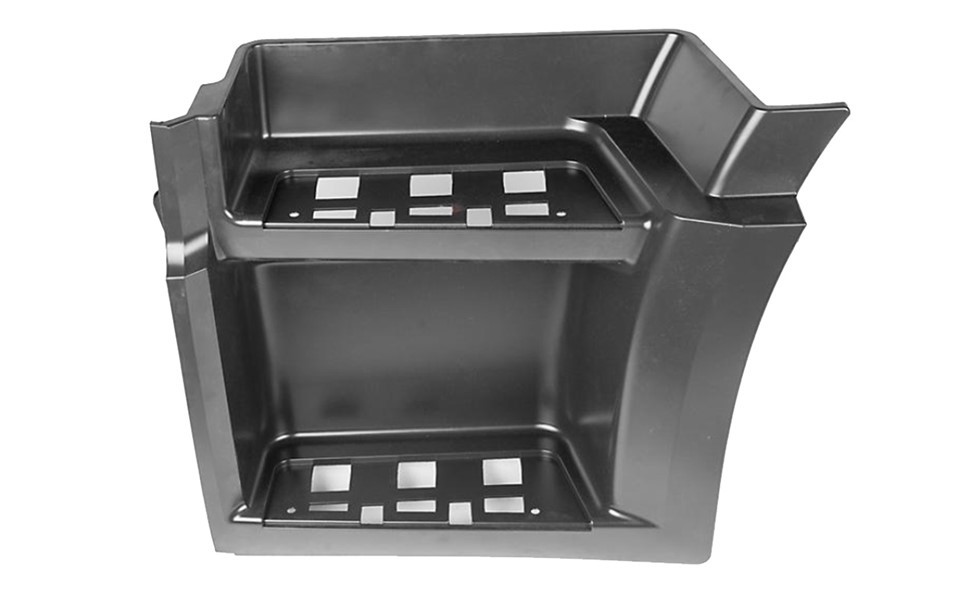

Cracks and tears in the rubber also detract from the car's appearance. These imperfections can make the car look older and less well-maintained. For car owners who take pride in the appearance of their vehicles, the aesthetic degradation of rubber exterior parts can be a significant concern.
5. Limited Lifespan
Compared to some other materials used in car exterior parts, rubber has a relatively limited lifespan. Due to its vulnerability to environmental factors, chemical sensitivity, and wear and tear, rubber parts often need to be replaced more frequently.
For example, wiper blades typically need to be replaced every six months to a year, depending on usage and environmental conditions. Tires usually need to be replaced every 25,000 to 50,000 miles, again depending on various factors. Door seals and weatherstripping may need to be replaced every few years to ensure proper functionality and appearance.
The need for frequent replacement not only adds to the cost of car ownership but also requires time and effort. Car owners need to keep track of the condition of their rubber exterior parts and schedule regular maintenance and replacements.
Conclusion
While rubber car exterior parts offer many benefits, such as flexibility, sealing properties, and shock absorption, they also come with several drawbacks. Their vulnerability to environmental factors, chemical sensitivity, wear and tear, aesthetic degradation, and limited lifespan are important considerations for both car owners and industry professionals.
As a Car Part Exterior supplier, I understand the challenges associated with rubber parts. However, I also believe that with proper maintenance and the use of high-quality rubber products, these drawbacks can be minimized. By choosing the right materials, providing proper care, and replacing parts in a timely manner, car owners can ensure the longevity and performance of their rubber car exterior parts.
If you're interested in learning more about our Exterior Of Car Parts or have any questions about rubber car exterior parts, we'd be happy to assist you. We also offer a range of Car Interior Plastic Parts that are designed to complement your car's exterior. Contact us to start a discussion about your specific needs and requirements.
References
- Smith, J. (2020). Automotive Materials and Their Applications. New York: AutoTech Publishing.
- Johnson, A. (2019). The Impact of Environmental Factors on Rubber Components in the Automotive Industry. Journal of Automotive Engineering, 45(2), 123-135.
- Brown, C. (2018). Maintenance and Replacement of Rubber Car Exterior Parts. Car Care Magazine, 32(4), 56-62.