

As a well - established ABS sheet supplier, I understand the critical importance of impact resistance in ABS sheets. ABS, or Acrylonitrile Butadiene Styrene, is a popular thermoplastic polymer known for its toughness, rigidity, and resistance to impact. In various industries such as automotive, construction, and consumer goods, the ability of ABS sheets to withstand impact can determine the success and safety of the end - products. In this blog, I'll share several effective methods to test the impact resistance of ABS sheets.
Izod Impact Test
The Izod impact test is one of the most widely used methods for evaluating the impact resistance of plastics, including ABS sheets. This test measures the energy required to break a notched specimen of the material under a sudden impact.
Test Setup
To conduct an Izod impact test, you'll need an Izod impact tester, which consists of a pendulum with a known mass and length. First, prepare the ABS sheet specimens according to the relevant standards. The specimens are usually rectangular in shape with a notch cut at a specific location and depth. For ABS sheets, the standard specimen size and notch geometry are defined by international standards such as ASTM D256 or ISO 180.
Testing Procedure
Mount the notched specimen vertically in the tester, with the notch facing the striking edge of the pendulum. Release the pendulum from a fixed height, allowing it to swing and strike the specimen. The energy absorbed by the specimen during the fracture process is measured by the change in the pendulum's height before and after the impact. This energy value is reported as the Izod impact strength, typically expressed in joules per meter (J/m) or foot - pounds per inch (ft - lb/in).
A higher Izod impact strength indicates that the ABS sheet can absorb more energy before breaking, which means it has better impact resistance. For example, if you're using ABS sheets for automotive interior parts, a higher impact strength can ensure that the parts can withstand minor collisions and impacts without cracking or shattering. You can find our 1 4 inch abs black plastic sheet 4x8 which can be tested using this method to meet your specific impact - resistance requirements.
Charpy Impact Test
The Charpy impact test is another common method for assessing the impact resistance of ABS sheets. Similar to the Izod test, it measures the energy absorbed by a specimen during fracture under impact. However, there are some differences in the test setup and specimen configuration.
Test Setup
The Charpy impact tester also uses a pendulum, but the specimen is supported horizontally as a simply - supported beam. The specimens are usually unnotched or notched, depending on the specific requirements of the test. The standard specimen size and notch details are specified by standards like ASTM E23 or ISO 179.
Testing Procedure
Place the specimen on the supports of the Charpy tester. Release the pendulum to strike the specimen at the center. The energy absorbed by the specimen is calculated based on the difference in the pendulum's potential energy before and after the impact. The result is reported as the Charpy impact strength, which provides an indication of the material's ability to resist impact.

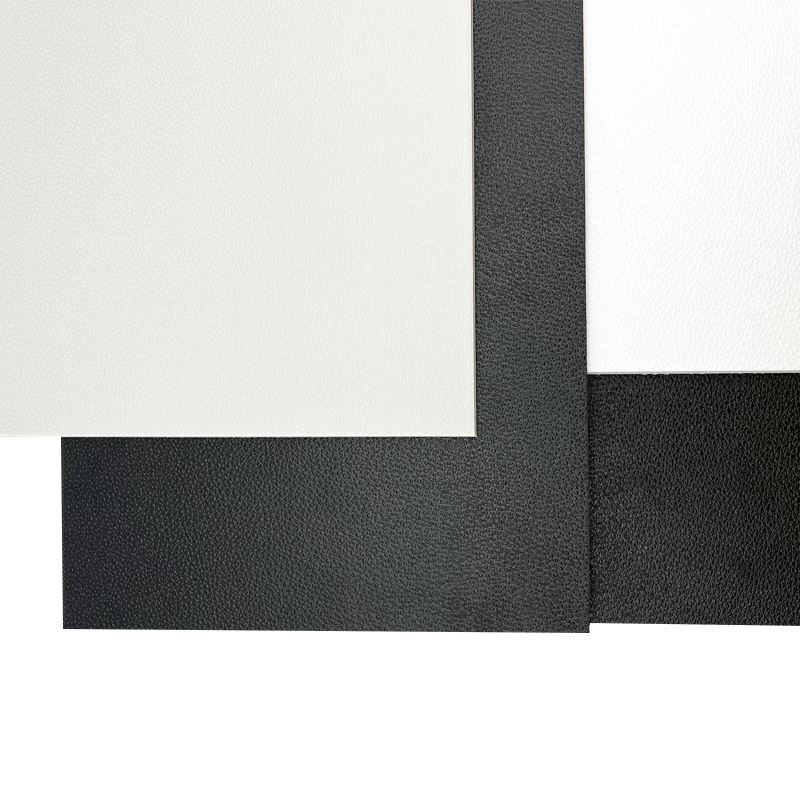
The Charpy test is often used in research and quality control to compare the impact resistance of different ABS sheet formulations or to evaluate the effect of processing conditions on impact performance. Our 3 16 ABS Plastic Sheet can be evaluated using the Charpy test to ensure it meets the necessary impact - resistance criteria for your applications.
Drop - Weight Impact Test
The drop - weight impact test is a more practical method for simulating real - world impacts on ABS sheets. This test involves dropping a weighted object from a certain height onto the ABS sheet specimen to measure its impact resistance.
Test Setup
You'll need a drop - weight tester, which consists of a guide rail, a weight, and a specimen support. The weight can be adjusted according to the test requirements, and the height from which the weight is dropped can also be varied. The ABS sheet specimen is placed on a rigid support, and the area of impact is clearly defined.
Testing Procedure
Select an appropriate weight and drop height based on the expected impact conditions. Release the weight from the specified height, allowing it to fall and strike the ABS sheet. Observe the damage to the sheet, such as cracking, puncturing, or deformation. You can conduct multiple tests at different drop heights and weights to determine the threshold at which the sheet fails.
This test is particularly useful for applications where the ABS sheets may be subjected to sudden impacts from falling objects, such as in industrial settings or outdoor applications. Our 14mm black textured abs sheet can be effectively tested using the drop - weight method to ensure its suitability for such demanding environments.
Factors Affecting Impact Resistance
Several factors can influence the impact resistance of ABS sheets, and understanding these factors is crucial for accurate testing and product selection.
Temperature
The impact resistance of ABS sheets is highly temperature - dependent. At lower temperatures, the material becomes more brittle, and its impact strength decreases. Conversely, at higher temperatures, the material becomes more ductile, and its ability to absorb energy increases. When conducting impact tests, it's important to control the temperature of the testing environment to obtain consistent and reliable results.
Molecular Structure
The molecular structure of ABS, including the ratio of acrylonitrile, butadiene, and styrene, can significantly affect its impact resistance. A higher butadiene content generally leads to better impact performance because the rubbery butadiene phase can absorb energy during impact.
Processing Conditions
The way ABS sheets are processed, such as extrusion, injection molding, or thermoforming, can also impact their impact resistance. Improper processing conditions, such as high shear rates or incorrect cooling rates, can cause internal stresses and defects in the sheet, reducing its impact strength.
Importance of Impact Resistance Testing
Impact resistance testing is essential for several reasons. Firstly, it helps ensure the safety and reliability of products made from ABS sheets. In industries like medical equipment and aerospace, where the failure of a component due to impact can have serious consequences, accurate impact testing is a must.
Secondly, it enables manufacturers to optimize their product design and material selection. By testing different ABS sheet grades and thicknesses, they can choose the most suitable material for a specific application, balancing performance and cost.
Finally, impact resistance testing is a key part of quality control. By regularly testing ABS sheets during production, suppliers can ensure that the products meet the required standards and customer expectations.
Conclusion
As an ABS sheet supplier, I emphasize the importance of impact resistance testing. Through methods like the Izod impact test, Charpy impact test, and drop - weight impact test, we can accurately evaluate the impact resistance of our ABS sheets. Whether you're in the automotive, construction, or consumer goods industry, understanding the impact performance of ABS sheets is crucial for product success.
If you're interested in our ABS sheets and want to know more about their impact resistance or other properties, or if you have specific requirements for your application, we're here to help. Contact us to discuss your needs and start a procurement negotiation. We're committed to providing high - quality ABS sheets that meet your exact specifications.
References
- ASTM International. "ASTM D256 - Standard Test Methods for Determining the Izod Pendulum Impact Resistance of Plastics."
- ISO International Organization for Standardization. "ISO 180 - Plastics — Determination of Izod Impact Strength."
- ASTM International. "ASTM E23 - Standard Test Methods for Notched Bar Impact Testing of Metallic Materials."
- ISO International Organization for Standardization. "ISO 179 - Plastics — Determination of Charpy Impact Strength."