

As a seasoned Dashboard Leather supplier, I've encountered countless queries about maintaining and cleaning dashboard leather. Stains on dashboard leather not only mar the aesthetic appeal of your vehicle's interior but can also potentially damage the leather over time. In this blog, I'll share some effective strategies on how to remove stains from dashboard leather, ensuring your leather dashboard remains in pristine condition.

Understanding Dashboard Leather
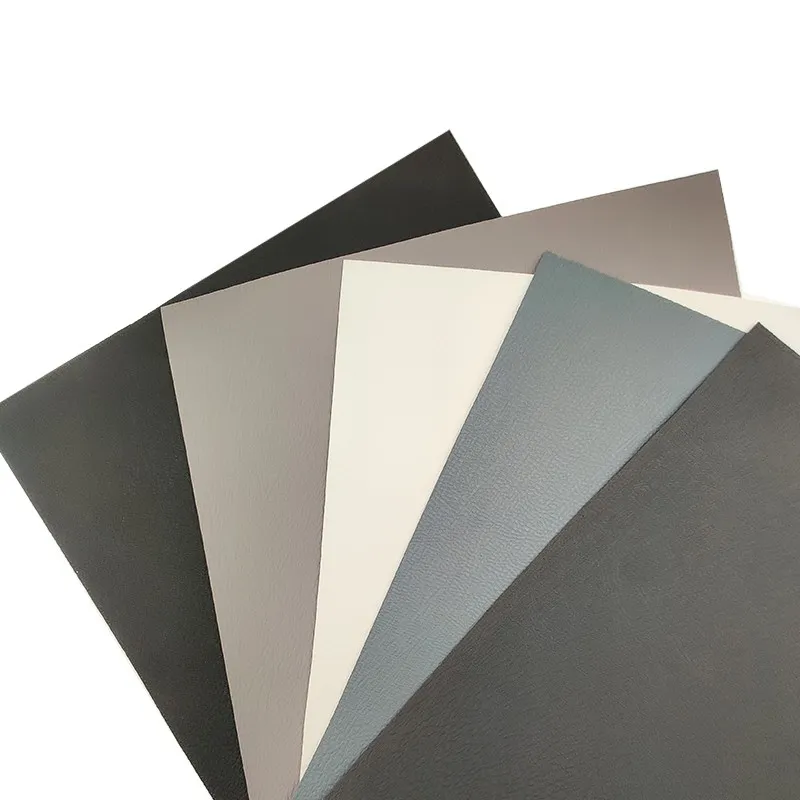
Before delving into stain removal techniques, it's essential to understand the nature of dashboard leather. Dashboard leather is typically made from high - quality materials, often treated to withstand the harsh conditions inside a vehicle, such as sunlight, heat, and friction. However, these factors can also make the leather more susceptible to staining.
There are different types of dashboard leather, including genuine leather, synthetic leather, and leather - like materials. Each type may require a slightly different approach to stain removal. For instance, genuine leather is more porous and may absorb stains more readily, while synthetic leather is often more resistant but can still be damaged by improper cleaning methods.
Common Types of Stains on Dashboard Leather
- Dirt and Dust Stains: These are the most common types of stains. Over time, dirt and dust accumulate on the dashboard surface, making it look dull and dirty.
- Oil and Grease Stains: Fingerprints, spills from food or beverages containing oil, and even the natural oils from your skin can leave oil and grease stains on the dashboard leather.
- Ink Stains: Accidental spills from pens or markers can create stubborn ink stains on the leather.
- Mold and Mildew Stains: In humid environments, mold and mildew can grow on the dashboard leather, especially if the vehicle is not well - ventilated.
Stain Removal Techniques
For Dirt and Dust Stains
- Dry Cleaning: Start by using a soft, dry microfiber cloth to gently wipe away the loose dirt and dust. This step helps prevent scratching the leather surface during the cleaning process.
- Wet Cleaning: If dry cleaning doesn't remove all the dirt, mix a small amount of mild leather cleaner with water. Dip a clean microfiber cloth into the solution, wring it out thoroughly so that it's only slightly damp, and then gently wipe the stained area in a circular motion. Avoid using too much water, as excessive moisture can damage the leather. After cleaning, use a dry microfiber cloth to wipe away any remaining moisture.
For Oil and Grease Stains
- Absorbent Materials: Sprinkle a small amount of cornstarch or baking soda on the oil or grease stain. Let it sit for a few hours or overnight to absorb the oil. Then, use a soft brush or a dry microfiber cloth to gently brush away the powder.
- Leather Cleaner: If the stain persists, apply a small amount of leather cleaner specifically designed for removing oil and grease stains. Follow the instructions on the cleaner carefully. Apply the cleaner to a clean microfiber cloth and gently rub the stained area. Rinse the area with a slightly damp cloth and dry it thoroughly.
For Ink Stains
- Isopropyl Alcohol: Moisten a cotton ball or a soft cloth with a small amount of isopropyl alcohol. Gently dab the ink stain, starting from the outer edges and working your way inwards. Be careful not to rub too hard, as this can spread the ink or damage the leather. Once the stain is removed, rinse the area with a damp cloth and dry it.
- Commercial Ink Removers: There are also commercial ink removers available in the market. Make sure to choose a product that is safe for use on leather. Test the product on a small, inconspicuous area of the dashboard leather first to check for any adverse reactions.
For Mold and Mildew Stains
- Vinegar Solution: Mix equal parts of white vinegar and water in a spray bottle. Spray the solution onto the mold and mildew stains and let it sit for a few minutes. Then, use a soft brush to gently scrub the area. Rinse the area with a damp cloth and dry it thoroughly. Make sure to improve the ventilation in your vehicle to prevent future mold and mildew growth.
- Bleach Solution (for Synthetic Leather Only): If you have synthetic dashboard leather, you can use a diluted bleach solution. Mix one part bleach with ten parts water. Apply the solution to the stain using a cloth or a sponge, but be very careful not to let the solution come into contact with any other parts of the vehicle interior, as bleach can cause discoloration. Rinse the area thoroughly and dry it.
Preventive Measures
- Regular Cleaning: Establish a regular cleaning routine for your dashboard leather. Wipe it down with a dry microfiber cloth at least once a week to remove dust and dirt.
- Use of Protective Products: Apply a leather protectant regularly to create a barrier against stains and damage. This can help extend the life of your dashboard leather and make it easier to clean.
- Avoid Direct Sunlight: Prolonged exposure to direct sunlight can fade and dry out the dashboard leather. Use a sunshade when parking your vehicle to protect the dashboard from the sun's rays.
The Importance of Quality Dashboard Leather
As a Dashboard Leather supplier, I understand the significance of using high - quality leather for your vehicle's dashboard. High - quality leather not only looks better but is also more resistant to stains and damage. Our Bus Dashboard Leather is made from premium materials, ensuring durability and a luxurious appearance.
In addition to leather, we also offer PVC ABS Sheet and Automotive ABS Plastic Sheet, which are excellent alternatives for dashboard applications. These materials are known for their strength, flexibility, and resistance to various environmental factors.
Conclusion
Maintaining a clean and stain - free dashboard leather is essential for both the aesthetic and functional aspects of your vehicle. By following the stain removal techniques and preventive measures outlined in this blog, you can keep your dashboard leather looking its best for years to come.
If you're in the market for high - quality dashboard leather or related products, we'd love to hear from you. Whether you're an automotive manufacturer, a car enthusiast, or a business looking to source dashboard materials, we can provide you with the best solutions. Contact us today to start a procurement discussion and find out how we can meet your specific needs.
References
- "Leather Care Guide", Leather Industries of America
- "Automotive Interior Materials: A Comprehensive Guide", SAE International