

Hey there! As a supplier of black ABS sheets, I often get asked how to make these sheets more flexible. ABS, or Acrylonitrile Butadiene Styrene, is a popular thermoplastic known for its toughness, rigidity, and good impact resistance. Black ABS sheets, in particular, are widely used in various industries for applications like automotive parts, consumer goods, and even in some DIY projects. But sometimes, you might need a bit more flexibility from these sheets than they naturally offer. So, let's dive into some ways to achieve that.
Understanding ABS Sheets
Before we get into the methods of making black ABS sheets more flexible, it's important to understand what ABS is and how it behaves. ABS is a terpolymer made by polymerizing styrene and acrylonitrile in the presence of polybutadiene. The polybutadiene rubber phase provides the impact resistance, while the styrene - acrylonitrile matrix gives the material its stiffness and strength.
The flexibility of an ABS sheet can be influenced by several factors, including its thickness, the ratio of the different polymers in the ABS blend, and the manufacturing process. Thicker sheets are generally less flexible than thinner ones. Also, the way the sheet is extruded or molded can affect its internal structure and, consequently, its flexibility.
Methods to Increase Flexibility
1. Heat Treatment
One of the most common ways to make black ABS sheets more flexible is through heat treatment. ABS is a thermoplastic, which means it softens when heated and hardens when cooled. By carefully heating the sheet, you can temporarily reduce its stiffness and make it more pliable.
To do this, you'll need a heat source like a heat gun or an oven. If you're using a heat gun, set it to a medium - high temperature and hold it about 4 - 6 inches away from the sheet. Move the heat gun slowly and evenly across the surface of the sheet. As the sheet heats up, you'll notice it becoming softer and more flexible. Be careful not to overheat the sheet, as this can cause it to warp or even melt.
If you choose to use an oven, preheat it to around 150 - 170°F (65 - 77°C). Place the sheet on a flat, heat - resistant surface and put it in the oven for a few minutes. Keep a close eye on the sheet while it's in the oven. Once it's soft enough, carefully remove it using heat - resistant gloves and shape it as needed. As it cools, it will retain some of its new flexibility.
2. Plasticizers
Plasticizers are substances that can be added to ABS to increase its flexibility. They work by reducing the intermolecular forces between the polymer chains in the ABS, allowing them to move more freely.
There are several types of plasticizers that can be used with ABS, such as phthalates and adipates. However, when using plasticizers, it's important to choose ones that are compatible with ABS. You can purchase plasticizers from chemical suppliers.
To add a plasticizer to your black ABS sheet, you'll need to dissolve the plasticizer in a suitable solvent. Then, you can apply the solution to the surface of the sheet using a brush or a sprayer. Allow the solvent to evaporate, and the plasticizer will remain in the sheet, making it more flexible. Keep in mind that adding too much plasticizer can affect the other properties of the ABS, such as its strength and durability.
3. Thinning the Sheet
As mentioned earlier, thinner sheets are more flexible than thicker ones. If you have a thick black ABS sheet that you need to make more flexible, you can consider thinning it down.
You can use a router, a belt sander, or a milling machine to remove some of the material from the sheet. When using these tools, make sure to wear appropriate safety gear, such as goggles and a dust mask. Take your time and make small, even passes to ensure a smooth and consistent reduction in thickness.
However, be aware that thinning the sheet too much can compromise its strength and integrity. You'll need to find a balance between the desired flexibility and the structural requirements of your application.
4. Using a Different ABS Blend
Another option is to use a different ABS blend that is formulated to be more flexible. Some manufacturers offer ABS sheets with a higher percentage of the rubbery polybutadiene component. These sheets are naturally more flexible than standard ABS sheets.
When choosing a different ABS blend, make sure it still meets the other requirements of your project, such as its color (in this case, black), its chemical resistance, and its surface finish. You can check with your ABS sheet supplier to see if they offer more flexible ABS blends.
Applications of More Flexible Black ABS Sheets
Once you've made your black ABS sheet more flexible, there are many applications where it can be used. For example, in the automotive industry, flexible ABS sheets can be used for interior trim parts that need to conform to curved surfaces. In the consumer goods sector, they can be used for making flexible casings for electronic devices or for creating custom - shaped containers.
If you're into DIY projects, a more flexible black ABS sheet can be used for making flexible molds, or for creating unique art pieces. The possibilities are endless!

Our Product Offerings
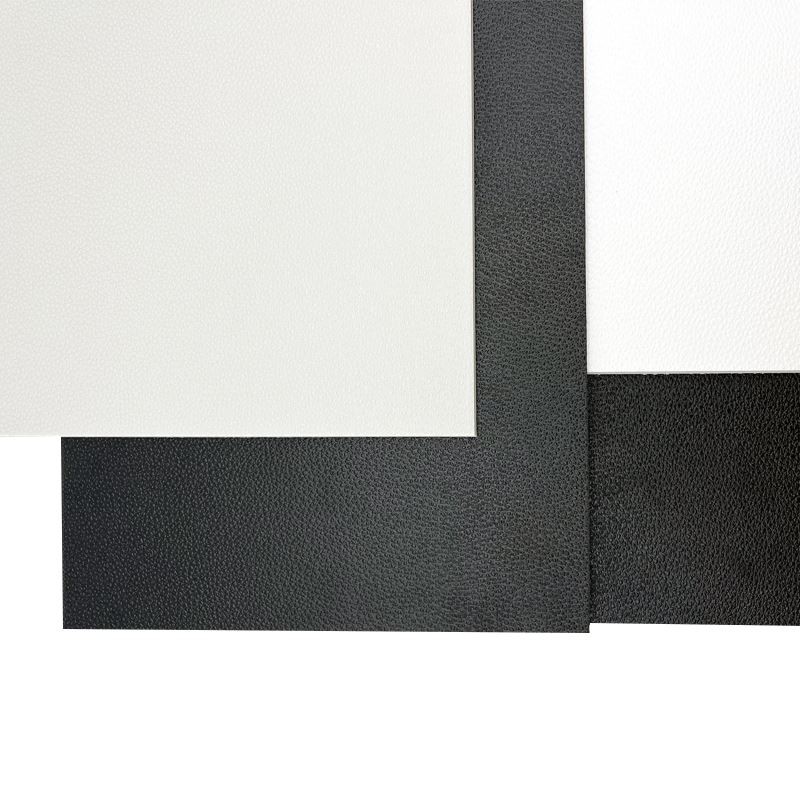
As a supplier of black ABS sheets, we offer a wide range of products to meet your needs. We have 1 4 inch abs black plastic sheet 4x8, which is a popular choice for many applications. This sheet has a good balance of strength and flexibility, and its 4x8 size makes it suitable for large - scale projects.
We also have 3 16 ABS Plastic Sheet, which is thinner and more flexible than the 1/4 - inch sheet. It's great for applications where you need a high degree of flexibility.
And if you're looking for a textured surface, our 14mm black textured abs sheet is a great option. The texture not only adds a unique aesthetic but can also provide some additional grip in certain applications.
Contact Us for Procurement
If you're interested in purchasing our black ABS sheets or have any questions about making them more flexible, don't hesitate to reach out. We're here to help you find the right solution for your project. Whether you need a small quantity for a DIY project or a large order for an industrial application, we can accommodate your needs.
References
- "Plastics Engineering Handbook of the Society of Plastics Engineers"
- "Thermoplastics: Properties and Design"