

In industrial and commercial applications, ABS (Acrylonitrile Butadiene Styrene) sheets are widely used due to their excellent mechanical properties, impact resistance, and relatively low cost. However, when used in wet environments, ensuring the electrical insulation of ABS sheets becomes a critical issue. As an ABS sheet supplier, I will share some effective methods and considerations to maintain the electrical insulation of ABS sheets in wet conditions.
Understanding the Electrical Properties of ABS Sheets in Wet Environments
Before discussing how to ensure electrical insulation, it is essential to understand how moisture affects the electrical properties of ABS sheets. ABS is a thermoplastic polymer with inherent electrical insulating properties. In dry conditions, it can effectively prevent the flow of electric current. However, when exposed to a wet environment, water molecules can penetrate the surface of the ABS sheet. Water is a good conductor of electricity, especially when it contains dissolved ions. As a result, the presence of moisture can reduce the surface resistivity of the ABS sheet, increasing the risk of electrical leakage and short - circuits.
Selecting the Right ABS Sheet
The first step in ensuring electrical insulation in wet environments is to select the appropriate ABS sheet. Different types of ABS sheets have different levels of moisture resistance and electrical insulation properties.

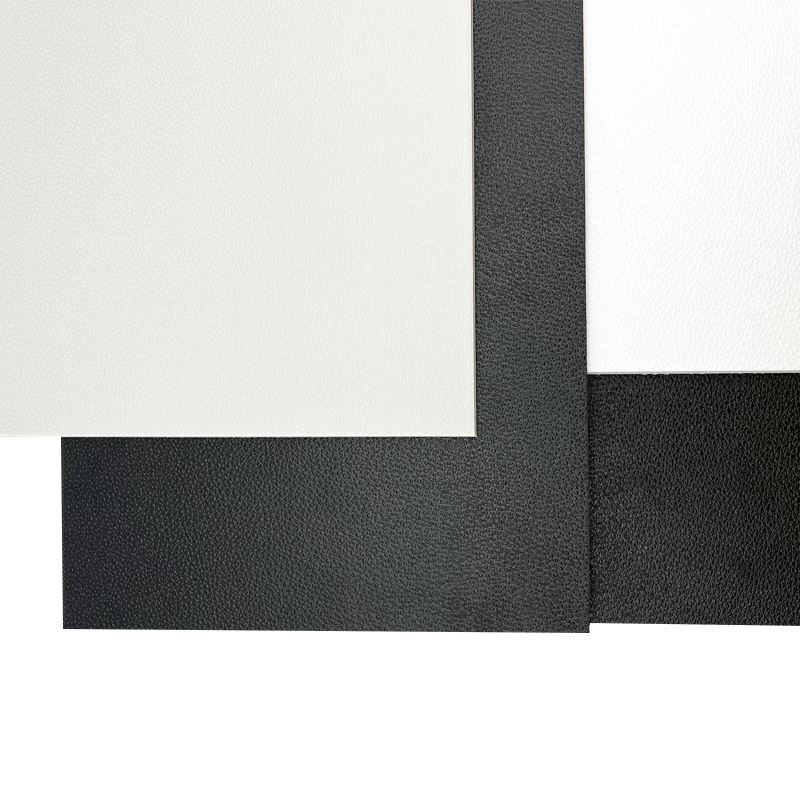
- Thickness: Thicker ABS sheets generally provide better electrical insulation. For example, our 3/16 ABS Plastic Sheet and 1/4 ABS Plastic Sheet offer enhanced protection against electrical conduction compared to thinner sheets. The additional material provides more resistance to the penetration of water and reduces the likelihood of electrical current passing through.
- Additives: Some ABS sheets are formulated with special additives to improve their moisture resistance and electrical insulation. These additives can form a protective layer on the surface of the sheet, preventing water from absorbing into the material. When choosing an ABS sheet for wet environments, look for products that are specifically designed for such conditions. Our Black ABS Sheet is an example of a product that may contain additives to enhance its performance in challenging environments.
Surface Treatment
Surface treatment is an effective way to enhance the electrical insulation of ABS sheets in wet environments.
- Coating: Applying a protective coating to the surface of the ABS sheet can create a barrier against moisture. There are various types of coatings available, such as epoxy coatings, polyurethane coatings, and silicone coatings. These coatings not only prevent water from contacting the ABS surface but also have good electrical insulation properties. Before applying the coating, the ABS sheet surface should be cleaned thoroughly to ensure good adhesion.
- Hydrophobic Treatment: Hydrophobic treatment can make the surface of the ABS sheet repel water. This can be achieved through chemical treatments or the application of hydrophobic agents. When water comes into contact with a hydrophobic surface, it forms droplets and rolls off easily, reducing the amount of water that can penetrate the sheet and affect its electrical insulation.
Installation and Sealing
Proper installation and sealing are crucial for maintaining the electrical insulation of ABS sheets in wet environments.
- Proper Mounting: When installing ABS sheets, ensure that they are mounted securely and evenly. Uneven mounting can cause stress on the sheet, which may lead to cracks or gaps. These defects can allow water to seep in and compromise the electrical insulation. Use appropriate fasteners and mounting techniques to ensure a tight fit.
- Sealing: Sealing the edges and joints of the ABS sheets is essential to prevent water from entering. Use high - quality sealants that are compatible with ABS. Silicone sealants are often a good choice because they have excellent water resistance and flexibility. Make sure to apply the sealant evenly and completely cover all the gaps and joints.
Maintenance and Inspection
Regular maintenance and inspection are necessary to ensure the long - term electrical insulation of ABS sheets in wet environments.
- Cleaning: Periodically clean the ABS sheets to remove dirt, debris, and any contaminants that may affect their electrical properties. Use a mild detergent and a soft cloth to avoid scratching the surface. After cleaning, dry the sheets thoroughly to prevent moisture from remaining on the surface.
- Inspection: Regularly inspect the ABS sheets for signs of damage, such as cracks, scratches, or peeling coatings. Any damaged areas should be repaired immediately to prevent water from penetrating the sheet. Check the seals and joints to ensure they are still intact. If any sealant has deteriorated, re - apply it as soon as possible.
Environmental Control
In some cases, controlling the environment where the ABS sheets are used can also help maintain their electrical insulation.
- Humidity Control: If possible, control the humidity level in the environment. High humidity can increase the amount of moisture in the air, which is more likely to condense on the ABS sheets. Using dehumidifiers or air - conditioning systems can help reduce the humidity and keep the sheets dry.
- Avoiding Standing Water: Ensure that there is no standing water around the ABS sheets. Standing water can continuously soak the sheets and significantly reduce their electrical insulation. If there is a risk of water accumulation, design proper drainage systems to remove the water quickly.
Conclusion
Ensuring the electrical insulation of ABS sheets in wet environments requires a comprehensive approach. By selecting the right ABS sheet, applying appropriate surface treatments, installing and sealing the sheets properly, conducting regular maintenance and inspection, and controlling the environment, we can effectively maintain the electrical insulation properties of ABS sheets. As an ABS sheet supplier, we are committed to providing high - quality products and professional advice to meet the needs of our customers in various applications. If you are interested in our ABS sheets or need more information on ensuring electrical insulation in wet environments, please feel free to contact us for procurement and further discussions.
References
- "Plastics for Engineers: Materials, Properties, and Applications" by Dominick V. Rosato, David V. Rosato, and Ronald A. Scherzinger.
- "Handbook of Thermoplastics" edited by O. Olabisi.