

ABS PVC alloy sheets are widely used in various industries due to their excellent mechanical properties, chemical resistance, and processability. As a supplier of ABS PVC alloy sheets, understanding how the impact strength of these materials changes with temperature is crucial for providing high - quality products to our customers. In this blog, we will explore the relationship between the impact strength of ABS PVC alloy sheets and temperature, and how this knowledge can be applied in practical applications.
1. Introduction to ABS PVC Alloy Sheets
ABS (Acrylonitrile - Butadiene - Styrene) is a thermoplastic polymer known for its good impact resistance, toughness, and dimensional stability. PVC (Polyvinyl Chloride) is another widely used thermoplastic with excellent chemical resistance, flame retardancy, and low cost. When combined, ABS and PVC form an alloy sheet that combines the advantages of both materials.
These alloy sheets are commonly used in industries such as automotive, construction, and electronics. For example, Automotive ABS Plastic Sheet is used in automotive interiors and exteriors, while Bus Dashboard Leather made from ABS PVC alloy provides a durable and aesthetically pleasing surface. PVC ABS Sheet also finds applications in electronic enclosures and building facades.
2. The Concept of Impact Strength
Impact strength is a measure of a material's ability to resist fracture under high - speed loading. It is an important property for materials used in applications where they may be subjected to sudden impacts, such as in automotive parts or protective equipment. The impact strength of a material is typically determined by standardized testing methods, such as the Charpy or Izod impact tests.
In these tests, a notched specimen of the material is struck by a pendulum, and the energy absorbed by the specimen during fracture is measured. The higher the absorbed energy, the higher the impact strength of the material.
3. The Effect of Temperature on the Impact Strength of ABS PVC Alloy Sheets
3.1 High - Temperature Behavior
At high temperatures, the molecular chains in ABS PVC alloy sheets become more mobile. The increased thermal energy allows the chains to slide past each other more easily, which generally leads to a decrease in the material's stiffness and an increase in its ductility.
As the temperature rises above the glass transition temperature (Tg) of the polymer, the impact strength of the ABS PVC alloy sheet may initially increase slightly due to the enhanced ductility of the material. However, as the temperature continues to increase, the material becomes too soft, and the impact strength starts to decline rapidly. This is because the material can no longer resist the impact forces effectively and deforms plastically without absorbing much energy.
For example, in some applications where the ABS PVC alloy sheets are used in hot environments, such as in the engine compartments of vehicles, the high - temperature behavior of the impact strength needs to be carefully considered. If the temperature exceeds the critical value, the parts may fail under impact, leading to safety hazards.
3.2 Low - Temperature Behavior
At low temperatures, the molecular motion in the ABS PVC alloy sheets is restricted. The polymer chains become more rigid, and the material becomes more brittle. As a result, the impact strength of the alloy sheet decreases significantly at low temperatures.
When the temperature drops below a certain point, the material may experience a ductile - to - brittle transition. In the brittle state, the material fractures suddenly without significant plastic deformation when subjected to an impact, absorbing very little energy. This is a major concern in applications where the ABS PVC alloy sheets are exposed to cold environments, such as in outdoor construction projects in cold regions or in refrigeration equipment.
4. Factors Affecting the Temperature - Impact Strength Relationship
4.1 Composition of the Alloy
The ratio of ABS to PVC in the alloy has a significant impact on the temperature - impact strength relationship. A higher proportion of ABS generally provides better impact resistance at low temperatures due to its rubber - like butadiene component. On the other hand, a higher PVC content can improve the chemical resistance and flame retardancy of the alloy but may reduce the low - temperature impact strength.
4.2 Additives
Additives such as impact modifiers, stabilizers, and plasticizers can also affect the temperature - impact strength relationship. Impact modifiers, for example, can improve the low - temperature impact strength by enhancing the toughness of the material. Stabilizers can prevent degradation of the polymer at high temperatures, maintaining the impact strength over a wider temperature range. Plasticizers can increase the flexibility of the material, which may have a positive effect on the impact strength at low temperatures but may also reduce the material's stiffness.
4.3 Processing Conditions
The processing conditions during the production of ABS PVC alloy sheets, such as the extrusion temperature, cooling rate, and molding pressure, can influence the final microstructure of the material and, consequently, its impact strength at different temperatures. For example, a slow cooling rate may result in a more ordered microstructure, which can improve the impact strength at low temperatures.
5. Practical Applications and Considerations
In the automotive industry, the temperature - dependent impact strength of ABS PVC alloy sheets is of great importance. Automotive parts are often exposed to a wide range of temperatures, from the cold of winter to the heat of summer. For Automotive ABS Plastic Sheet, it is necessary to ensure that the impact strength remains within an acceptable range under different temperature conditions to guarantee the safety and reliability of the vehicle.
In the construction industry, PVC ABS Sheet is used in various applications, such as window frames and wall claddings. These materials may be exposed to extreme temperatures, and their impact strength at different temperatures needs to be considered to ensure the long - term durability of the structures.
When selecting ABS PVC alloy sheets for a specific application, it is essential to understand the temperature range the material will be exposed to and choose a product with appropriate impact strength properties. Our company, as a professional supplier of ABS PVC alloy sheets, can provide customized solutions based on the specific temperature requirements of our customers' applications.
6. Conclusion
The impact strength of ABS PVC alloy sheets is highly dependent on temperature. At high temperatures, the material becomes more ductile initially but loses its impact resistance as it gets too soft. At low temperatures, the material becomes brittle, and the impact strength decreases significantly.
Factors such as the alloy composition, additives, and processing conditions can affect the temperature - impact strength relationship. Understanding these relationships is crucial for selecting and using ABS PVC alloy sheets in various applications.
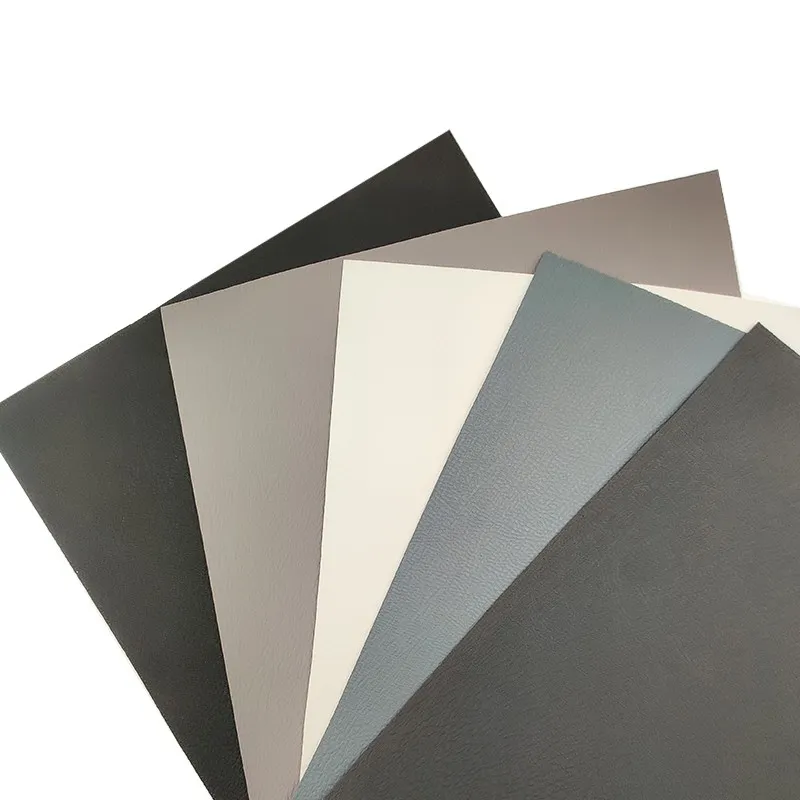

If you are in need of high - quality ABS PVC alloy sheets for your project and want to discuss how the impact strength at different temperatures can meet your specific requirements, please feel free to contact us for procurement and negotiation. We are committed to providing you with the best products and services.
References
- "Polymer Science and Engineering" by Donald R. Paul and Christopher B. Bucknall
- "Handbook of Thermoplastics" edited by O. Olabisi
- "Plastics Materials" by J. A. Brydson