

In recent years, the automotive industry has witnessed a significant shift towards electric vehicles (EVs) due to growing environmental concerns and technological advancements. As an electric car is not just a means of transportation but also a symbol of innovation and sustainability, the choice of materials used in its interior, especially for the dashboard, has become a crucial aspect. As a dashboard leather supplier, I often get asked: Can dashboard leather be used in electric cars? In this blog, I will explore this question in detail, considering various factors such as functionality, aesthetics, and sustainability.
Functionality
One of the primary considerations when using dashboard leather in electric cars is its functionality. The dashboard of an electric car serves as a control center, housing various electronic components such as touch - screens, instrument clusters, and climate control systems. Leather, as a material, needs to be able to withstand the heat generated by these electronic devices.
Modern dashboard leathers are treated with advanced heat - resistant coatings. These coatings prevent the leather from drying out, cracking, or shrinking when exposed to high temperatures for extended periods. For example, some of the high - end dashboard leathers we supply have been tested to withstand temperatures up to 80 degrees Celsius without significant degradation.
In addition to heat resistance, dashboard leather also needs to have good durability. Electric cars are expected to have a long service life, and the dashboard material should be able to withstand regular use and cleaning. Leather is a naturally tough material, and when properly tanned and finished, it can resist scratches and abrasions. However, it is important to choose the right type of leather. Full - grain leather, for instance, is more durable than top - grain leather as it retains the natural grain and strength of the hide.
Another functionality aspect is the electrical properties of the leather. Since electric cars are filled with electrical systems, the dashboard material should not interfere with the electromagnetic signals. High - quality dashboard leather is non - conductive and does not cause any electromagnetic interference, ensuring the proper functioning of all electronic components in the car.
Aesthetics
The aesthetics of an electric car's interior play a vital role in attracting consumers. Dashboard leather can significantly enhance the overall look and feel of the car's cabin, giving it a luxurious and sophisticated appearance.
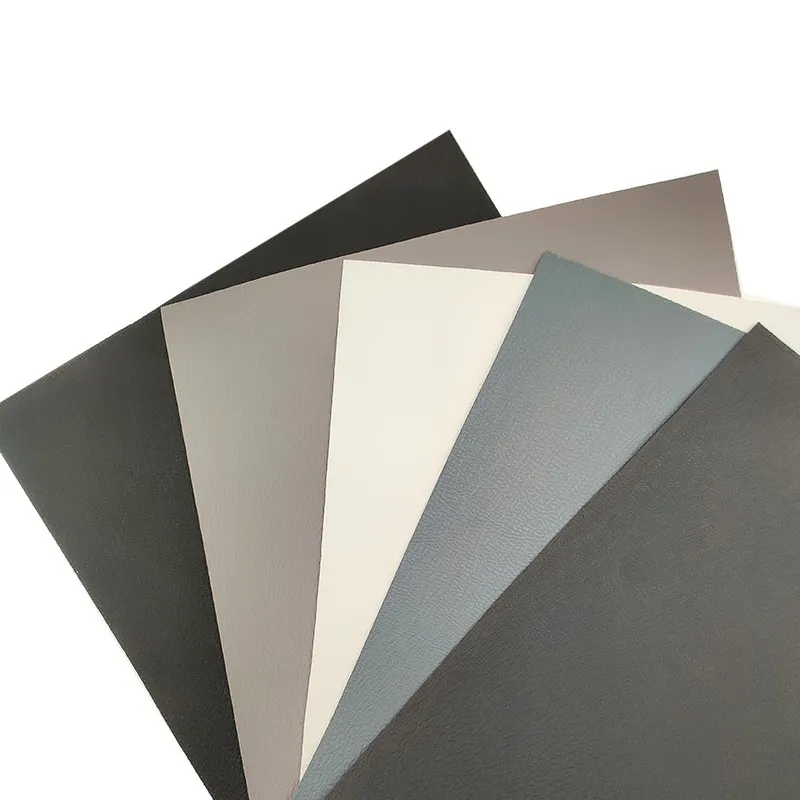
Leather comes in a wide range of colors and textures, allowing car manufacturers to create unique and personalized interiors. For example, a smooth, fine - grained leather can give a modern and minimalist look, while a more textured leather can add a touch of rustic charm. Electric cars, which are often associated with innovation and high - tech features, can benefit from the warm and inviting feel that leather provides.
Moreover, leather has a natural patina that develops over time, which many car enthusiasts find appealing. As the leather is used and exposed to sunlight and air, it gradually changes color and texture, adding character to the car's interior. This is in contrast to synthetic materials like PVC ABS Sheet, which may not develop the same natural charm.
Sustainability
Sustainability is a key concern in the automotive industry, especially for electric cars. When it comes to dashboard leather, there are both positive and negative aspects in terms of sustainability.
On the positive side, leather is a natural and renewable resource. It is a by - product of the meat industry, so using leather for car dashboards helps to make use of a material that would otherwise go to waste. Additionally, some leather suppliers, including us, are committed to sustainable tanning processes. These processes use less water, energy, and chemicals, reducing the environmental impact.
However, there are also challenges. The leather industry has been criticized for its high water consumption and the use of certain chemicals in the tanning process. To address these issues, we are constantly researching and developing more sustainable tanning methods. For example, we are exploring the use of natural tanning agents such as plant extracts, which are biodegradable and less harmful to the environment.
In comparison, synthetic materials like Auto Dashboard ABS PVC Alloy Sheet are often considered more environmentally friendly in terms of production. They require less energy and water to manufacture. But they are usually made from non - renewable petroleum - based products, and their disposal can be a problem as they are not biodegradable.
Cost - effectiveness
Cost is an important factor for both car manufacturers and consumers. Dashboard leather is generally more expensive than synthetic materials. However, it offers several advantages that can justify the higher cost.
In terms of long - term value, leather is more durable than many synthetic materials, which means it may not need to be replaced as often. This can result in cost savings over the life of the car. Additionally, the luxurious look and feel of leather can increase the resale value of the electric car.
For car manufacturers, using dashboard leather can also help to differentiate their products in a competitive market. Electric cars are becoming more common, and having a high - quality leather dashboard can be a selling point that attracts customers willing to pay a premium for a more luxurious driving experience.
Compatibility with Electric Car Technologies
Electric cars are equipped with advanced technologies such as autonomous driving features, augmented reality displays, and wireless charging. Dashboard leather needs to be compatible with these technologies.
For example, some electric cars have touch - sensitive dashboard controls. Leather can be treated to be touch - friendly, allowing for smooth interaction with these controls. Special coatings can be applied to the leather to improve its conductivity and responsiveness to touch, ensuring that the touch - screen functions work properly.
In the case of wireless charging, the leather should not interfere with the charging process. High - quality dashboard leather does not block the electromagnetic fields used for wireless charging, enabling seamless charging of mobile devices placed on the dashboard.

Conclusion
In conclusion, dashboard leather can indeed be used in electric cars. It offers a combination of functionality, aesthetics, and sustainability benefits that make it a viable choice for car manufacturers. While there are challenges, such as cost and environmental concerns, ongoing research and development are addressing these issues.
As a Bus Dashboard Leather supplier, we are committed to providing high - quality, sustainable dashboard leather solutions for the electric car industry. Our products are designed to meet the specific requirements of electric cars, including heat resistance, durability, and compatibility with advanced technologies.
If you are a car manufacturer or an automotive parts distributor interested in sourcing dashboard leather for electric cars, we would be delighted to have a discussion with you. Contact us to start a procurement negotiation and explore how our dashboard leather can enhance your electric car models.
References
- "Automotive Interior Materials: Trends and Future Developments" - Journal of Automotive Engineering
- "Sustainable Leather Production: Challenges and Opportunities" - Leather Science and Technology Journal
- "The Impact of Interior Design on Electric Car Sales" - Automotive Marketing Review