

Are there any safety regulations for automotive exterior parts?
As a prominent supplier of automotive exterior parts, I often encounter inquiries regarding the safety regulations governing these components. The automotive industry is highly regulated, and for good reason. Safety is paramount, not only for the drivers and passengers but also for pedestrians and other road users. In this blog post, I will delve into the various safety regulations that apply to automotive exterior parts and why they are crucial for the industry.
The Importance of Safety Regulations
Safety regulations for automotive exterior parts are designed to ensure that vehicles are safe to operate on public roads. These regulations cover a wide range of aspects, from the materials used in manufacturing to the design and performance of the parts. By adhering to these regulations, manufacturers can minimize the risk of accidents and injuries caused by faulty or substandard exterior parts.
One of the primary reasons for safety regulations is to protect pedestrians. Automotive exterior parts, such as bumpers and hoods, are designed to absorb and distribute the impact energy in the event of a collision with a pedestrian. Regulations specify the minimum performance requirements for these parts to ensure that they can effectively reduce the severity of injuries. For example, bumpers must be able to withstand a certain level of impact without causing excessive damage to the pedestrian's legs.
Another important aspect of safety regulations is to prevent vehicle fires. Exterior parts, such as fuel tanks and exhaust systems, must be designed and manufactured to minimize the risk of fire. Regulations specify the materials and construction methods that must be used to ensure that these parts are fire-resistant and can withstand high temperatures.
In addition to protecting pedestrians and preventing fires, safety regulations also aim to improve the overall safety of vehicles. For example, regulations require that exterior mirrors provide a clear and unobstructed view of the rear and sides of the vehicle. This helps drivers to detect other vehicles and potential hazards, reducing the risk of accidents.
Types of Safety Regulations
There are several types of safety regulations that apply to automotive exterior parts. These regulations can be divided into two main categories: federal regulations and international standards.
Federal Regulations
In the United States, the National Highway Traffic Safety Administration (NHTSA) is responsible for setting and enforcing safety regulations for motor vehicles and their equipment. The NHTSA's regulations cover a wide range of automotive exterior parts, including bumpers, hoods, fenders, and mirrors.
One of the most well-known federal regulations is the Federal Motor Vehicle Safety Standard (FMVSS). FMVSS 581, for example, sets the requirements for bumpers on passenger cars, multipurpose passenger vehicles, trucks, and buses. The standard specifies the minimum height, width, and strength requirements for bumpers to ensure that they can withstand low-speed collisions without causing excessive damage to the vehicle.
Another important federal regulation is FMVSS 205, which sets the requirements for glazing materials used in automotive windows. The standard specifies the safety performance requirements for windshields, side windows, and rear windows to ensure that they can withstand impact and prevent ejection of occupants in the event of a crash.
International Standards
In addition to federal regulations, there are also international standards that apply to automotive exterior parts. These standards are developed by organizations such as the International Organization for Standardization (ISO) and the United Nations Economic Commission for Europe (UNECE).
ISO standards cover a wide range of automotive exterior parts, including lighting systems, reflective devices, and aerodynamic components. For example, ISO 7637 specifies the requirements for electrical disturbances from conduction and coupling in motor vehicles, which is important for ensuring the safety and reliability of electronic components in automotive exterior parts.
UNECE regulations, on the other hand, are specifically designed for the European market. These regulations cover a wide range of automotive exterior parts, including bumpers, hoods, fenders, and mirrors. The UNECE regulations are similar to the NHTSA's regulations but may have some differences in terms of specific requirements and testing methods.
Compliance and Testing
To ensure compliance with safety regulations, automotive exterior parts manufacturers must conduct rigorous testing on their products. Testing is typically carried out in specialized laboratories using standardized test methods.
One of the most common types of testing for automotive exterior parts is impact testing. Impact testing is used to evaluate the performance of parts, such as bumpers and hoods, in the event of a collision. The test involves striking the part with a specified object at a certain speed and measuring the resulting forces and deformation.
Another important type of testing is fire testing. Fire testing is used to evaluate the fire resistance of parts, such as fuel tanks and exhaust systems. The test involves exposing the part to a controlled fire and measuring the time it takes for the part to ignite and the extent of the fire damage.
In addition to impact testing and fire testing, manufacturers may also conduct other types of testing, such as corrosion testing, fatigue testing, and environmental testing. These tests are designed to evaluate the performance of parts under various conditions and ensure that they meet the safety and durability requirements specified by the regulations.
Our Commitment to Safety
As a supplier of automotive exterior parts, we are committed to providing our customers with high-quality products that meet or exceed all applicable safety regulations. We have a team of experienced engineers and technicians who are dedicated to ensuring that our products are designed and manufactured to the highest standards of safety and quality.
We use only the best materials and manufacturing processes in the production of our automotive exterior parts. Our materials are carefully selected for their strength, durability, and resistance to corrosion and other environmental factors. Our manufacturing processes are designed to ensure that our products are consistent and reliable, with tight tolerances and high precision.
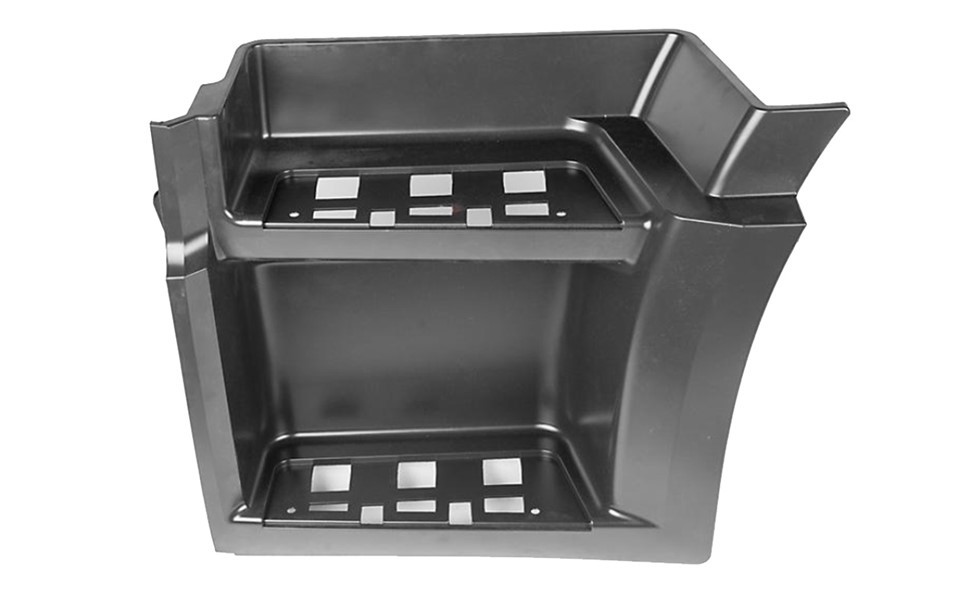
In addition to our commitment to quality and safety, we also offer a wide range of Car Interior Plastic Parts and Car Parts External to meet the diverse needs of our customers. Our products are designed to enhance the appearance and performance of vehicles, while also providing the highest level of safety and reliability.

Contact Us for Procurement
If you are interested in purchasing automotive exterior parts, we invite you to contact us for procurement. Our team of sales representatives will be happy to assist you in selecting the right products for your needs and providing you with a competitive quote.
We understand that every customer has unique requirements, and we are committed to providing personalized service and support. Whether you are a small automotive repair shop or a large automotive manufacturer, we can provide you with the high-quality products and services you need to succeed.
So, if you are looking for a reliable supplier of automotive exterior parts, look no further. Contact us today and let us help you take your automotive business to the next level.
References
- National Highway Traffic Safety Administration (NHTSA). Federal Motor Vehicle Safety Standards.
- International Organization for Standardization (ISO). ISO Standards for Automotive Exterior Parts.
- United Nations Economic Commission for Europe (UNECE). UNECE Regulations for Automotive Exterior Parts.